When Ellen DeGeneres announced that she was going to continue filming her show despite the writers’ walkout, the WGA responded in the strongest possible terms, excoriating her and calling for boycotts and pickets.
Now David Letterman, Jay Leno, Jon Stewart and Stephen Colbert–none of whom happen to be gay women–have announced that they will be returning to work.
Thus far the WGA has been remarkably quiet on the announcement. Letterman’s World Wide Pants is endeavoring to cut a separate deal with the WGA, but there’s nothing definite, and Letterman will likely be returning regardless of whether he has a writing staff or not.
I find that curious, this sudden silence. Is the WGA really standing on principle? Or was Ellen simply seen as an easier target?
PAD
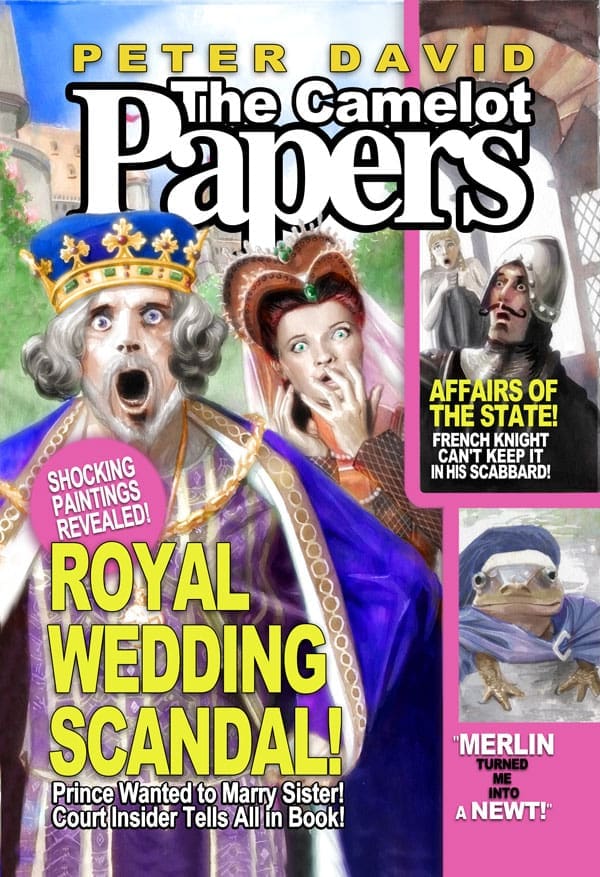


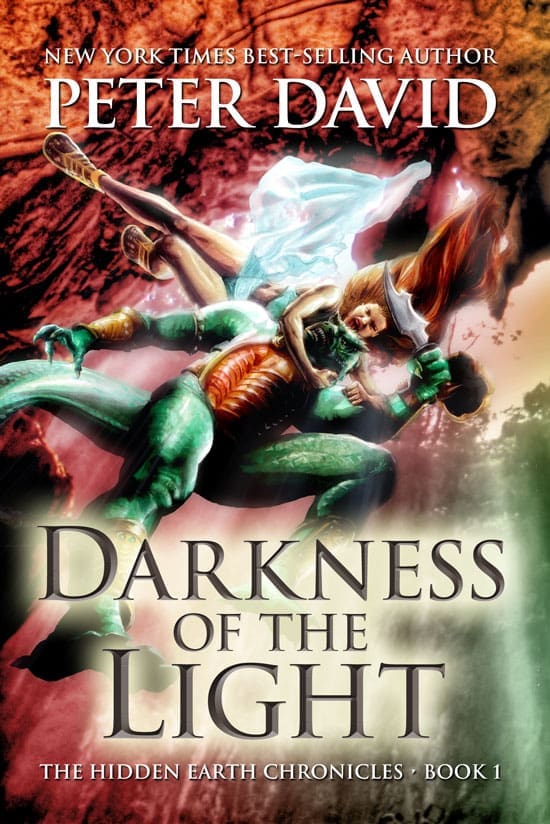
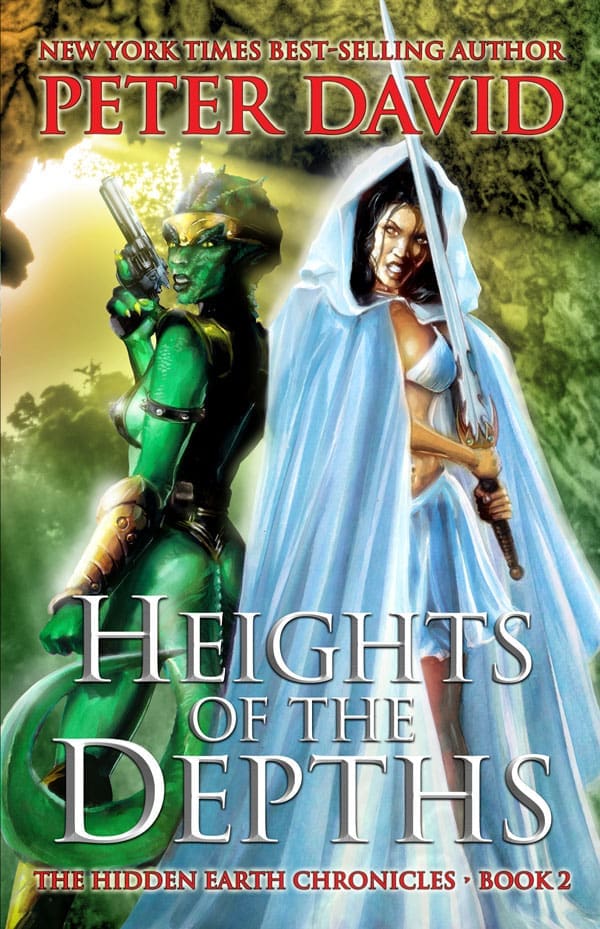
 •
• 
Rick–there’s one way you can keep your vision–make your own movie.
If it involves space armadas and is set during the Battle of Montgisard in 1177 it will more of a challenge than if it’s about an obsessive comics fan harassing an ill tempered artist at Dennys (My Breakfast With Byrne) but all things are possible.
And then you can put it on Youtube and it will be seen by around 11,000 times the number of people who went to see Redacted.
I was under the impresion that authors (other than certain very powerful, popular authors) don’t generally have any control over the sales of the movie rights; that its something that the publishing houses insist on reserving, because its one more potential way to get a return on their investment in a new or newish author. This is one reason so many bad movies get made out of novels.
I could be wrong, but if its true, I’m not sure you can even get a book published if you want control over the movie…
Just to jump in on this point: it’s true that books get built all sorts of different ways and book deals take all sorts of different shapes. There are surely plenty of book publishing deals which include the author granting to the publisher movie/television/dramatization rights to the author’s book (in exchange for agreed-upon revenue should those rights be successfully exploited, of course.) But I wouldn’t say such elements are common either, and they’re certainly not automatic.
Every case is potentially unique, but be assured that there are plenty of published authors (new and established alike) who retain control over their movie/tv/dramatiation rights, and who exploit those rights themselves (or through their own agents or representatives) without having ceded them to their publishers.
(Also, I’m not quite ready to believe that the number of “bad” movies made from novels is more significant than the number of “bad” movies made from other source material. And even if so, I wouldn’t necessarily attribute that to book publishers’ control over movie rights when there are so many other factors potentially at play.)
“none of whom happen to be gay women”
Dude, what the FRAK?
Bill Mulligan said, “Rick–there’s one way you can keep your vision–make your own movie.
“If it involves space armadas and is set during the Battle of Montgisard in 1177 it…”
So you’re the one who’s been reading my notes!
Making my own movie(s) would, of course, be something to keep in mind should I ever decide that I’d want to make movie(s); but films of my oeuvre aren’t on my radar just now. My focus remains with the printed (or in the case of “Ascension”, narrated; or in the case of the radio plays, audio) format.
It’s interesting, though, that when I write a scene, I tend to approach it visually, picturing it in my mind as if the characters are actors on a stage, and I’m considering different “camera angles” from which to “shoot it.” This doesn’t translate to the page (I don’t use film-making terms to set a scene or anything like that); it’s just how I visualize a scene. No doubt I see things that way having grown up on movies and TV.
Which, I suppose, begs the question: In the days before film, when plays and operas were the only performances you could watch, would writers who’d approach a scene visually view it as if watching a play?
I suppose it’d depend on the individual. Like always.
Rick
P.S. While I don’t use film making terms in setting a scene, there are, of course, situations where a reader who has grown up on film and TV could accurately visualize what camera angle a director would use in filming a particular scene from a book or short story. For example, this scene: “From his perch high in the tree, Bill watched them gather in the clearing below. At first it came as a big surprise, but then he realized today’s the day the zombies have their picnic.”
Wierd. I’m not sure why it would lose the URL, but keep the link. Here’s the URL for the article I previously referenced:
http://artfulwriter.com/?p=125