Wanna find us at Phoenix Comic Con?

Kath here. I thought I would post our schedule and where Peter’s table is this weekend.

The table is at 2416. We are right across from the Mysterious Galaxy booth.

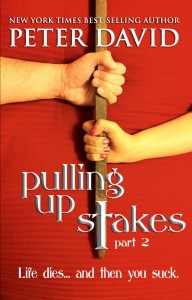
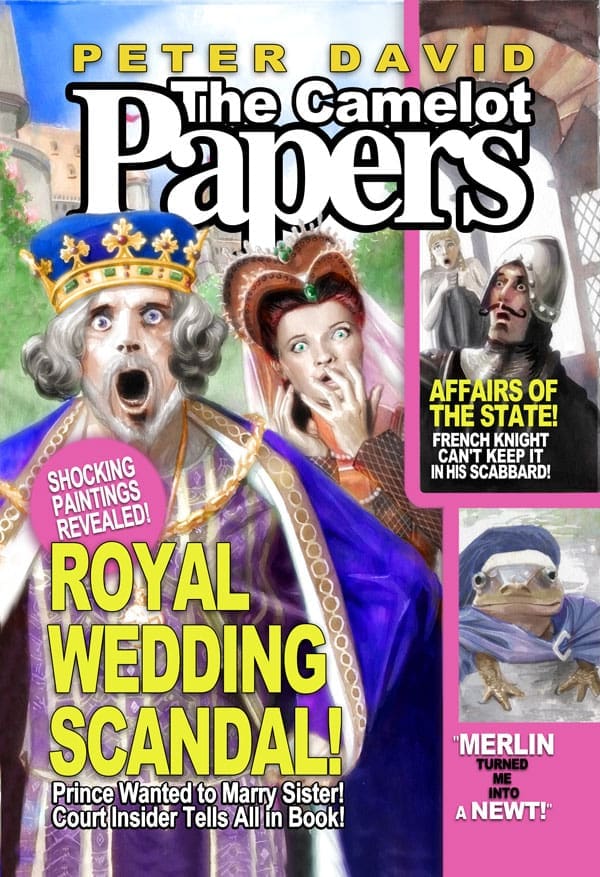
Caroline is selling her artwork at a 1.00 a drawing. I have a couple of Phluzzies for sale. Peter has a lot of books including Pulling Up Stakes and the Camelot Papers.

Peter’s Schedule is as follows

Friday

12:00-1:00pm
In Defense of Bruce Banner (presented by Drawn to Comics)
RM 126AB

3:00-4:00pm
Spotlight: Peter David
RM 124A

6:00-7:00om
A Day in The Strife: The Making of Babylon 5
RM 128

9:00-?
Phoenix Con Puppet-slam
RM 122
(We are doing Lord of Time again so if you missed it at DragonCon, here’s your chance to see it)

Saturday
We are at the table all Day

Sunday

1:30-2:30
Creating with Someone Else’s Sandbox
RM 104B

So come on by and say Hi.

Image: A Look Back

digresssmlOriginally published October 9, 1998, in Comics Buyer’s Guide #1299
So was it worth it? Image, I mean. Understand, I’m not speaking of the company in the past tense, although some people already are.

I’m speaking of the original launch, filled with high-flown cries of independence. A group of friends, banding together and displaying their independence, thumbing their collective nose at the Big Two in general and Marvel in particular. Friends, going into business together. “Friends and business, now there’s a volatile mix,” I said, and was roundly castigated for it.

Peter Apologizes for Everything

digresssmlOriginally published October 2, 1998, in Comics Buyer’s Guide #1298

It is a time of national contrition.

Bill Clinton, whose inability to take responsibility for any gaffes or apologize for anything, has launched his Atonement Tour ’98. It’s pretty impressive as he embraces the newfound ability to publicly say he’s sorry with the sort of eagerness and enthusiasm that is usually reserved for Born-Agains or recovering alcoholics who have made it to the atonement step.

Movie Review: Blade

digresssmlOriginally published September 25, 1998, in Comics Buyer’s Guide #1297

I still remember the first time he showed up in Tomb of Dracula, with a bandolier full of wooden knives, tinted goggles, a duffle coat, and more attitude than any five vampire hunters put together. He called himself “Blade” (which, admittedly, if you’re going to name yourself after your weapon of choice, is probably a catchier name than “wooden knife”). It always seemed to me that, whereas Dracula seemed to hold the rest of the book’s supporting cast in open contempt, there was something about Blade that the master vampire found unnerving.

Perhaps he saw the movie potential. Perhaps somehow he was able to intuit that while Marvel’s headliners would wash out in a series of films that ranged from embarrassing (The Punisher, Howard the Duck—although I suspect that if they were making the exact same Howard script now with the duck done in CGI, the film would be a hit) to unreleasable (Captain America) to unreleased (The Fantastic Four) to unmade (Spider-Man, tangled—naturally—in litigation), that it would be this third string character in a second-string title (no offense, Marv) who would be the first to vault to the number one box office slot.

Comics and Ageism

digresssmlOriginally published September 11, 1998, in Comics Buyer’s Guide #1295

Harlan Ellison told me an interesting anecdote, in relation to the Writers Guild of America’s committee on ageism. The head of the committee, a writer well into middle age, was complaining of rampant ageism in the industry: a very pronounced prejudice against older writers. Another writer, upon hearing this, said, “I know exactly what you’re talking about. I’ve had to deal with that kind of thing, too.” The committee head was skeptical that the relatively young man could have experience with prejudice on the basis of age.

The young writer then related the tale of an appointment he had with the producers of Spin City. He was going to pitch story possibilities, perhaps even be in line for a staff position. He called the day before the meeting to confirm. He was told, yes, by all means, they were looking forward to meeting with him. Then he was asked, “By the way, how old are you?” He was, he told them, thirty-one.

“Oh,” the person on the other end informed him, “Then you don’t have to bother coming in. We’re only looking for people in their twenties.” Keep in mind that the series was created by Gary David Goldberg, who hasn’t seen twenty in several decades.

Talent didn’t matter, experience didn’t matter, knowledge didn’t matter. Old is bad, young is good, and anything which has the slightest taint of “not now” is tossed aside.

Comics Then and Now

digresssmlOriginally published September 4, 1998, in Comics Buyer’s Guide #1293

The past couple of columns, we’ve discussed aspects of, and moments in, comic history. I rattled off about a dozen or so examples of what I perceive as some of comics’ most “memorable moments,” all of which occurred—as will come as a great shock, it seems, to many modern readers—at a time that pre-existed not only their interest in comics, but their birth.

What we’re seeing, when we witness the sort of shortsighted displays as Wizard‘s 25 most memorable moments in comics history, almost none of which occurred earlier than 1979, is the sort of massive blind spot which is rampant throughout not only comics readership, but throughout much of the country. It is the belief that history doesn’t matter. More—that it’s boring. Irrelevant. That whatever happened before, it can’t possibly compare in quality, style or importance with what’s happening now.